Inventory control
Inventory control identifies equipment and records where it belongs. It may include an item reference, category, description, quantity, dimensions, owner or responsible team, storage location and movement status. The aim is to make the collection of equipment visible and findable. Inventory control answers: what is this, how many are present and where should it be?
Labels should use a consistent format. A short reference can connect the physical item to a register or approved record system. Location codes should describe the storage position rather than rely on a person’s memory. When an item moves, update the location or movement record at the point defined by the venue process.
Condition control
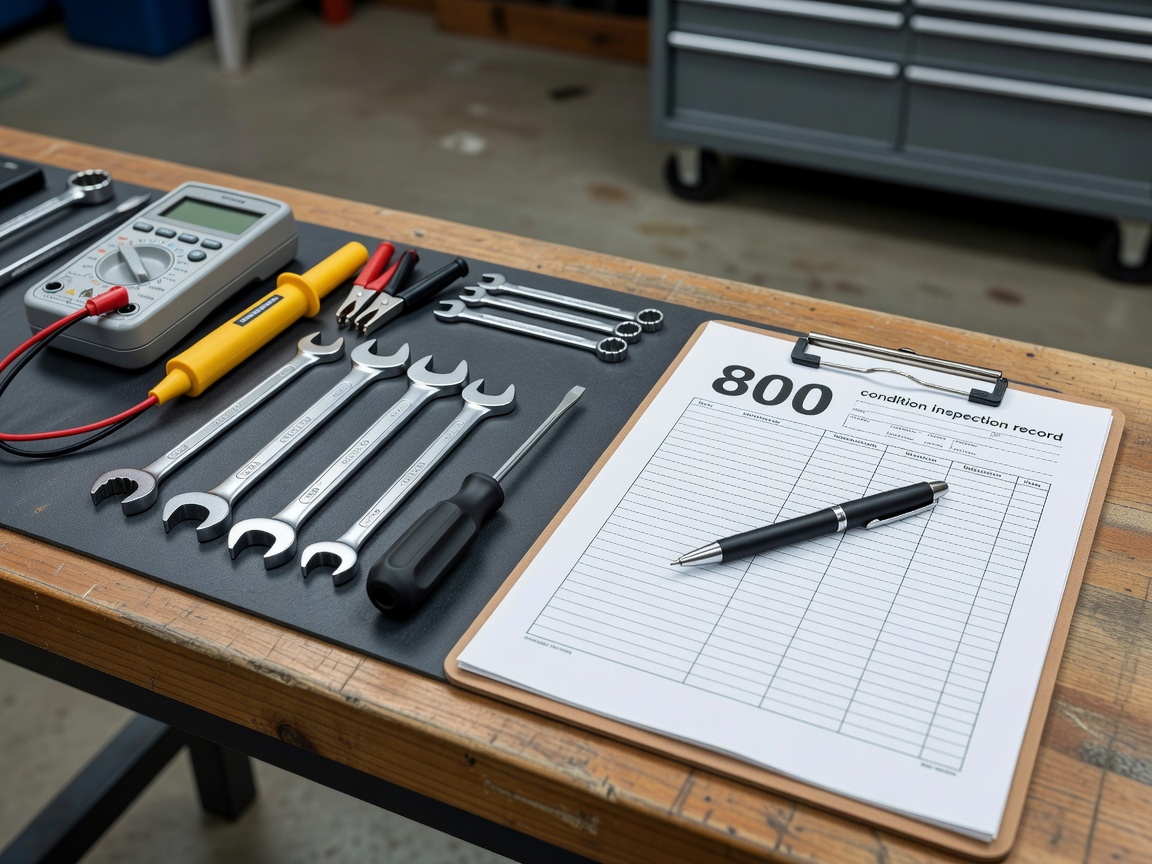
Condition control records the state of equipment. It may describe visible damage, missing components, contamination concerns, wear, packaging issues or readiness for use. It answers: is the equipment complete, suitable for its intended use, awaiting review or in need of action?
A condition record should be proportionate to the equipment and its risk. It should use agreed terms and identify who made the observation and when, where the venue process requires it. Condition control is not a conservation assessment and does not replace technical inspection, electrical testing, structural review or specialist advice.
Check-in and check-out
A check-in/check-out process can connect inventory and condition. At issue, record the responsible project or team, date, destination and expected return. At return, confirm the group or item, location, completeness and visible condition. Separate equipment that is incomplete or damaged from equipment that is ready for use. This avoids a closed case or full shelf being mistaken for a complete and available resource.
Movement records are useful for touring productions, exhibition changeovers and shared venue equipment. They do not need to be complicated to be useful. The important points are consistent terminology, timely updates and a clear owner for unresolved records.
Inspection intervals and exceptions
Inspection intervals should reflect use, storage duration and the equipment category. Frequently handled cases may need review on return. Seasonal items may need a check before storage and before the next event. Longer-term equipment benefits from a planned review, particularly when packaging, location or venue conditions can change.
When an item is missing, check the last recorded location, current project areas, preparation zones and recent movement records according to venue procedures. Do not silently remove it from the register. Mark the record for investigation. Damaged equipment should be clearly identified and kept from unintended return to use until the responsible qualified person determines the next action.
Replacement planning
Good records support replacement decisions without pretending to provide a financial answer. Compare condition, frequency of use, repair status, availability of parts where relevant and the next planned requirement. Record why an item is retained, repaired, replaced or retired. Retrieval priority can then reflect operational need rather than the order in which equipment was entered.
- Inventory control identifies, counts and locates.
- Condition control describes state, completeness and readiness.
- Movement records connect issue, return and storage.
- Exceptions need an owner, status and follow-up date.
- Qualified personnel should assess technical or safety matters.