Storage between events
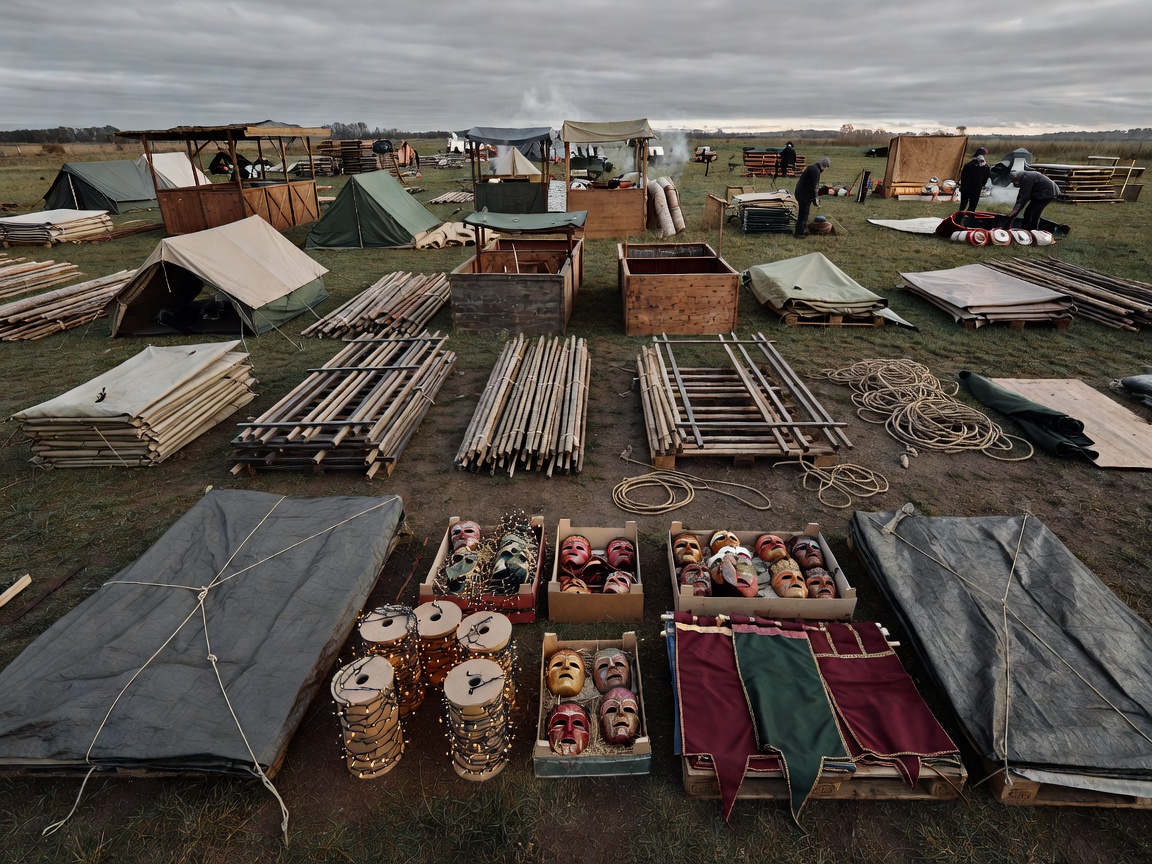
Seasonal exhibitions, touring productions, festivals and temporary venues create changing storage demands. Equipment may be needed intensively for a short period and then remain unused for months. A seasonal plan prevents the return stage from becoming an unrecorded pause.
At the end of an event, separate equipment that is ready for future use from equipment that is incomplete, damaged, awaiting inspection or associated with another project. Record the destination, expected retrieval period and access priority. This is useful for cases, display systems, temporary furniture, signage, barriers and event infrastructure.
Prepare before storage
Preparation should be appropriate to the equipment and venue procedure. Confirm the item or group identity, note visible condition and check that packaging is suitable. Do not seal unidentified contents. Consider whether the equipment is dry, clean enough for storage and protected against routine contact. Environmental considerations should be assessed by the responsible venue team, especially where materials may react to unsuitable conditions.
Packaging should support the next handling event. Use labels that can be read without opening every container. Keep associated components together where practical, while recording parts that have been separated. Large or awkward items need a location plan that considers approved access and handling procedures. Do not improvise lifting or access methods.
Plan seasonal access
Expected retrieval periods help determine location. Equipment needed early in the next season should not be buried behind items with no planned use. Retrieval priority can be based on event date, preparation sequence, category or project. A location record should remain current when equipment moves to a preparation area, venue or temporary staging zone.
Touring equipment may return with different contents or condition than when it left. Compare the group against its inventory and note exceptions. Festival equipment may be split across several teams. Use a shared reference and clear responsibility for return. Seasonal displays may require a review before storage and again before installation.
Return-to-storage routine
A useful routine closes one event and opens the next. Confirm the equipment list, record condition, update location, assign a storage duration or review date and identify the next intended use. If no next use is known, retain enough information to make a considered review possible. Do not present long-term storage as a decision to keep everything indefinitely.
Seasonal checklist
- Equipment list and group reference
- Condition review and unresolved issues
- Packaging and protection
- Identification and location
- Access priority
- Expected retrieval period
- Environmental considerations
- Movement and condition documentation
- Next-use planning
Where equipment involves electrical systems, suspended loads, machinery, hazardous materials or structural concerns, follow venue procedures and use qualified personnel. Seasonal planning improves information flow; it does not replace specialist assessment.